Before a final goes live: how we’d verify a high school football score
A result is only useful if readers can trust where it came from. This sample lays out a reporting workflow; it contains no real matchup, score, quote or current event.
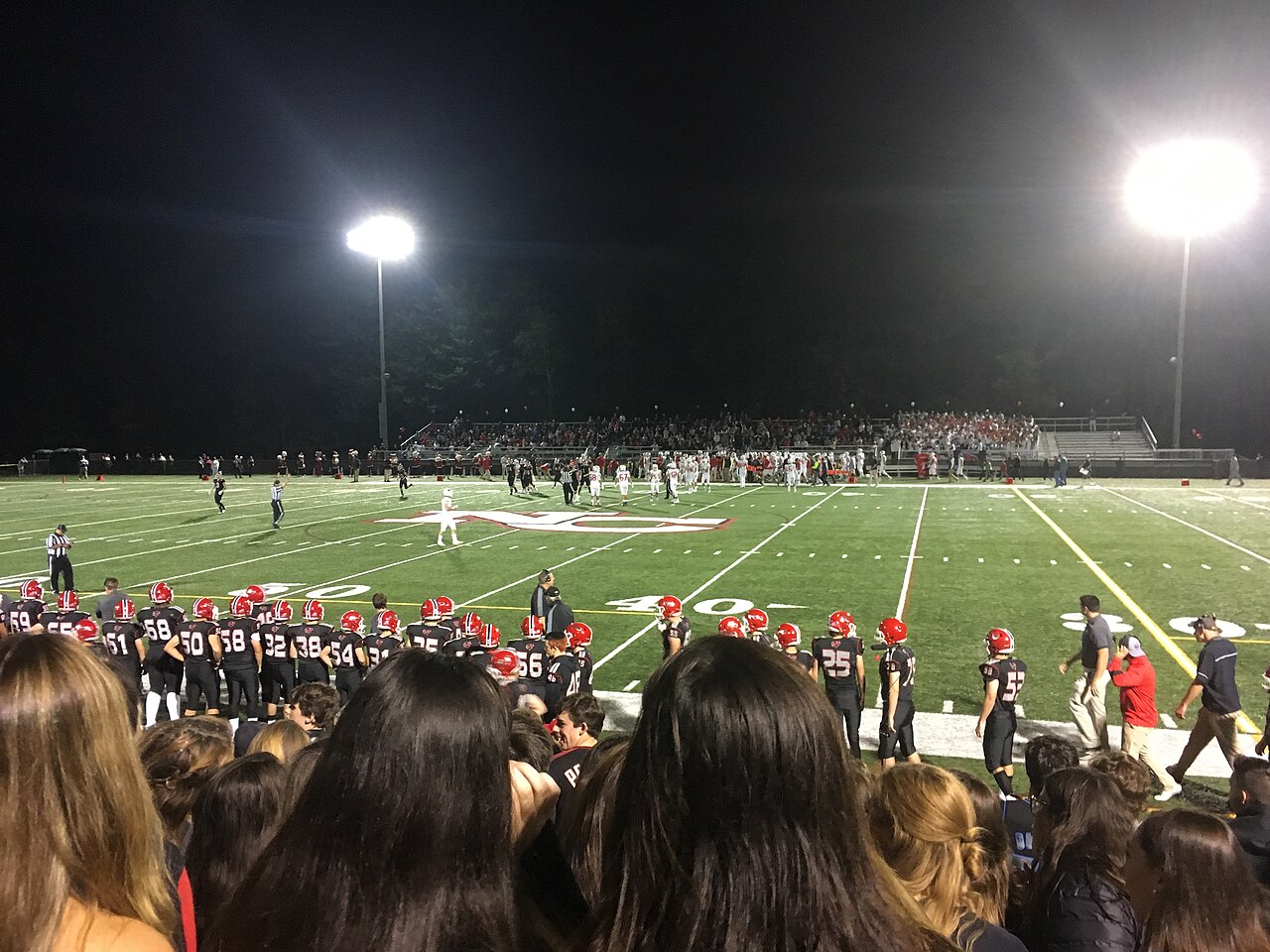
Prototype disclosure: This is a process example, not live news. No result, team, quote or season detail below refers to a specific game.
A quick post can travel far beyond the people who were in the stands. Before a score is published, a reporter should establish exactly which teams and game are being discussed, then trace the result to a source that can be checked later.
1. Start with the game, not the screenshot
Match the teams, date and event to an official schedule or school athletics page. A cropped scoreboard image may omit the opponent, quarter, date or whether play has ended. Treat it as a lead—not proof.
2. Find a primary source for the final
Look first for a school, district, team or state-association result page. If those sources do not show the final, contact a named school athletics representative or coach and record who confirmed it and when. Link the source whenever it is publicly available.
3. Resolve conflicts in the open
If two credible sources disagree, pause the post. Ask each source to clarify; check whether one entry is a live update, an earlier period or a correction. Don’t quietly choose the version that makes the cleanest headline. If a discrepancy remains, say so plainly.
4. Add reporting a reader can’t get from a score feed
A recap should contribute something original: a clearly attributed coach or player interview, a verified turning point, a local angle, or useful context that changes how the result is understood. A rewritten box score is not a reported story.
5. Publish with a visible trail
Use a real byline, a clear publication time and links to the material sources. If a fact changes, update the story and note what changed. Do not refresh the date unless the story itself has been materially updated.
That is the bar for this prototype.
Before a real story is published, a named human editor must verify the facts and approve the sourcing. AI may help organize a draft; it cannot supply unreported scores, quotes, sources or credentials.